Meditation for beginners: a simple 10-minute start
The short answer
Meditation and mindfulness mean gently paying attention to the present moment (your breath, body, sounds and thoughts) without judging them. Research shows mindfulness can help with stress, anxiety and low mood. You don't need special equipment or beliefs: sit comfortably, focus on your breath, and when your mind wanders (it will), gently bring it back. Start with 5–10 minutes a day.
What is mindfulness?
Mindfulness is paying attention to what's happening inside and around you, moment by moment. Meditation is a regular practice of training that attention. Over time, many people find it helps them step back from worries instead of being carried away by them.
The NHS notes that mindfulness may help with stress, anxiety and depression, and that it isn't right for everyone.
A simple 10-minute meditation
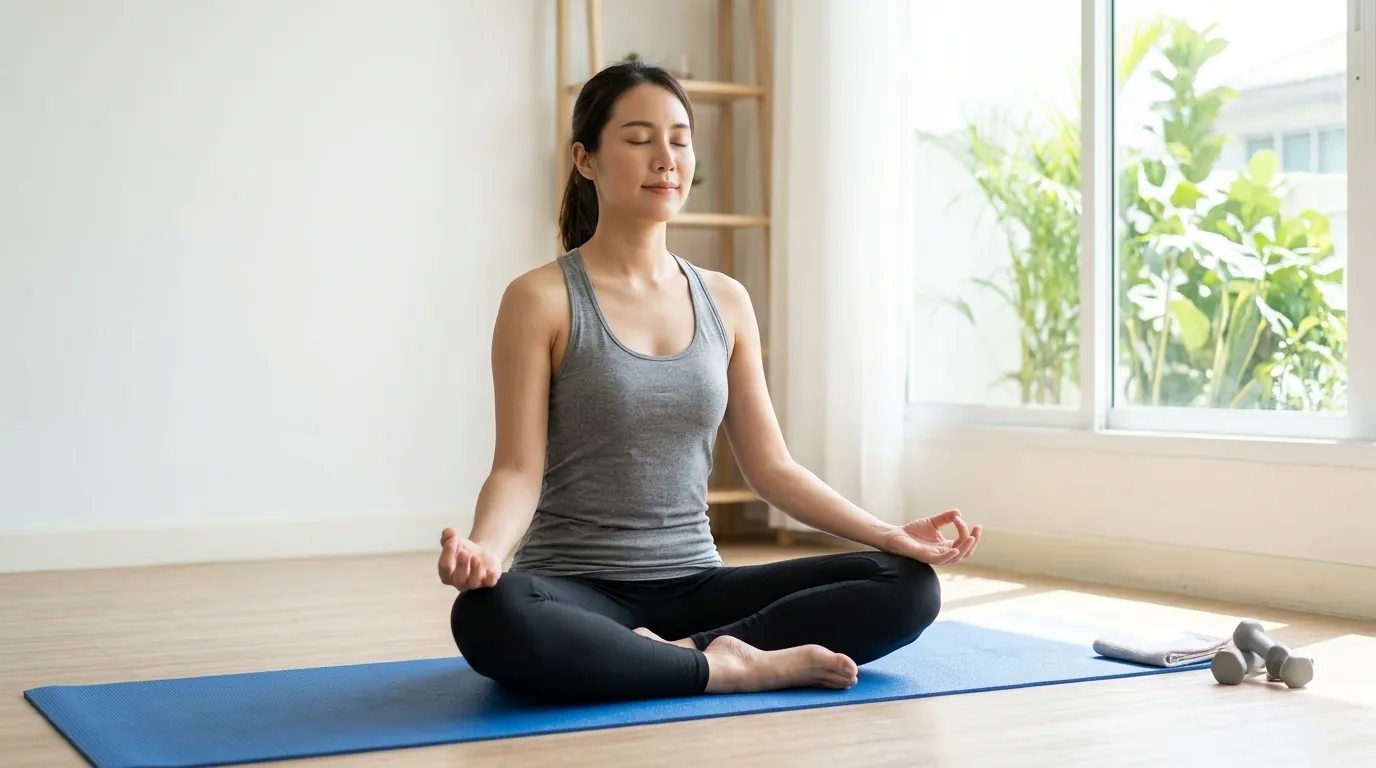
- Sit comfortably on a chair or cushion, with your back upright but relaxed. Close your eyes or look softly at the floor.
- Settle (1 minute): notice the contact of your body with the chair and floor.
- Follow your breath (6–7 minutes): feel the air going in and out at your nose, or your belly rising and falling. Don't control it; just notice.
- When your mind wanders, and it will, notice where it went ("planning", "worrying") and gently bring your attention back to the breath. This is the practice.
- Widen your attention (1–2 minutes): notice sounds around you, then your whole body.
- Finish: take a deeper breath, open your eyes, and notice how you feel.
Building a habit
Start here (beginner)
- Same time each day, such as after waking or before bed. Even 5 minutes counts.
- Use a guided audio or app if silence feels hard.
- Be kind to yourself. A wandering mind is normal, not failure.
Build on it (intermediate)
- Practise mindfulness in daily life: notice the taste of your chai, the feel of water while bathing, or your steps while walking.
- Try a body scan: slowly move your attention from your toes to your head, noticing sensations.
Go further (advanced)
- Increase gradually to 15–20 minutes, or two short sessions a day.
- Explore other practices: yoga, pranayama (breathing exercises) or prayer can also build calm, focused attention.
Common myths
- "Meditation means emptying your mind." It means noticing thoughts and coming back, not having no thoughts.
- "I'm too restless to meditate." Restless minds benefit most; start with just a few minutes.
- "Meditation is religious." Mindfulness can be practised by anyone, with or without religious beliefs.
Try this today
Sit quietly for 5 minutes and count 10 slow breaths. Each time your mind wanders, start counting again from 1.
When to get help
Meditation isn't a replacement for treatment. If you have ongoing low mood, anxiety, panic or trauma symptoms, or if meditation makes you feel worse, stop and talk to a doctor or counsellor. For free support, call Tele-MANAS on 14416 (24×7). Outside India? See helpline numbers on our Contact page.
Common questions
How long should a beginner meditate?
Start with 5–10 minutes a day and build up gradually.
What's the best time to meditate?
Whenever you can do it regularly. Mornings work well for many people.
Can meditation reduce stress?
Research suggests mindfulness can help reduce stress and anxiety for many people.
Sources
- Mindfulness — NHSmoderate
- Self-help CBT techniques — NHSmoderate
Part of these Essentials
Related guides
In the same area of life
Build a calm, personal practice
Explore more of the framework, or open your personal Wellbeing space to focus on what matters most right now.