
PCOS: food, exercise and lifestyle tips
The short answer
PCOS (polycystic ovary syndrome, now also called PMOS by the NHS) is a common hormone condition that can cause irregular periods, excess hair growth, acne, weight gain and difficulty getting pregnant. It also raises the risk of type 2 diabetes, high blood pressure and fatty liver. There's no cure, but lifestyle changes help many symptoms: a balanced diet with less sugar and refined food, regular exercise, losing weight if you're overweight, good sleep and support for your mood. Treatment from a doctor helps too.
Our examples use Indian foods, but the same principles apply to any diet: more vegetables, whole grains and protein, and less sugar, salt and fried food.
This guide covers everyday habits. It doesn't replace your doctor's advice. Don't start or stop any medicine without talking to your doctor.
PCOS in brief
Common symptoms (some women have only a few, or none):
- Irregular periods, or long gaps between periods
- Excess hair on the face or body, or hair thinning on the head
- Oily skin and acne
- Weight gain, or difficulty losing weight
- Dark, thick patches of skin on the neck or armpits
- Difficulty getting pregnant
- Tiredness, low mood or anxiety
Why it matters: PCOS increases the risk of type 2 diabetes, high blood pressure, heart disease, fatty liver and, over time, womb (uterus) cancer. Regular check-ups help reduce these risks.
Food: what helps
Beginner
- Use the half-plate rule: half vegetables, a quarter dal or other protein, a quarter whole grains or millets.
- Cut sugar and sugary drinks: sweet chai, soft drinks, juices, mithai and biscuits.
- Choose whole over refined: whole wheat, millets, whole dals and brown rice instead of maida and white bread.
Intermediate
- Include protein at every meal: curd, paneer, dal, chana, eggs or fish help keep you full and energy steady.
- Limit fried and packaged foods.
- Eat regular meals. Skipping meals often leads to cravings later.
Movement and daily habits
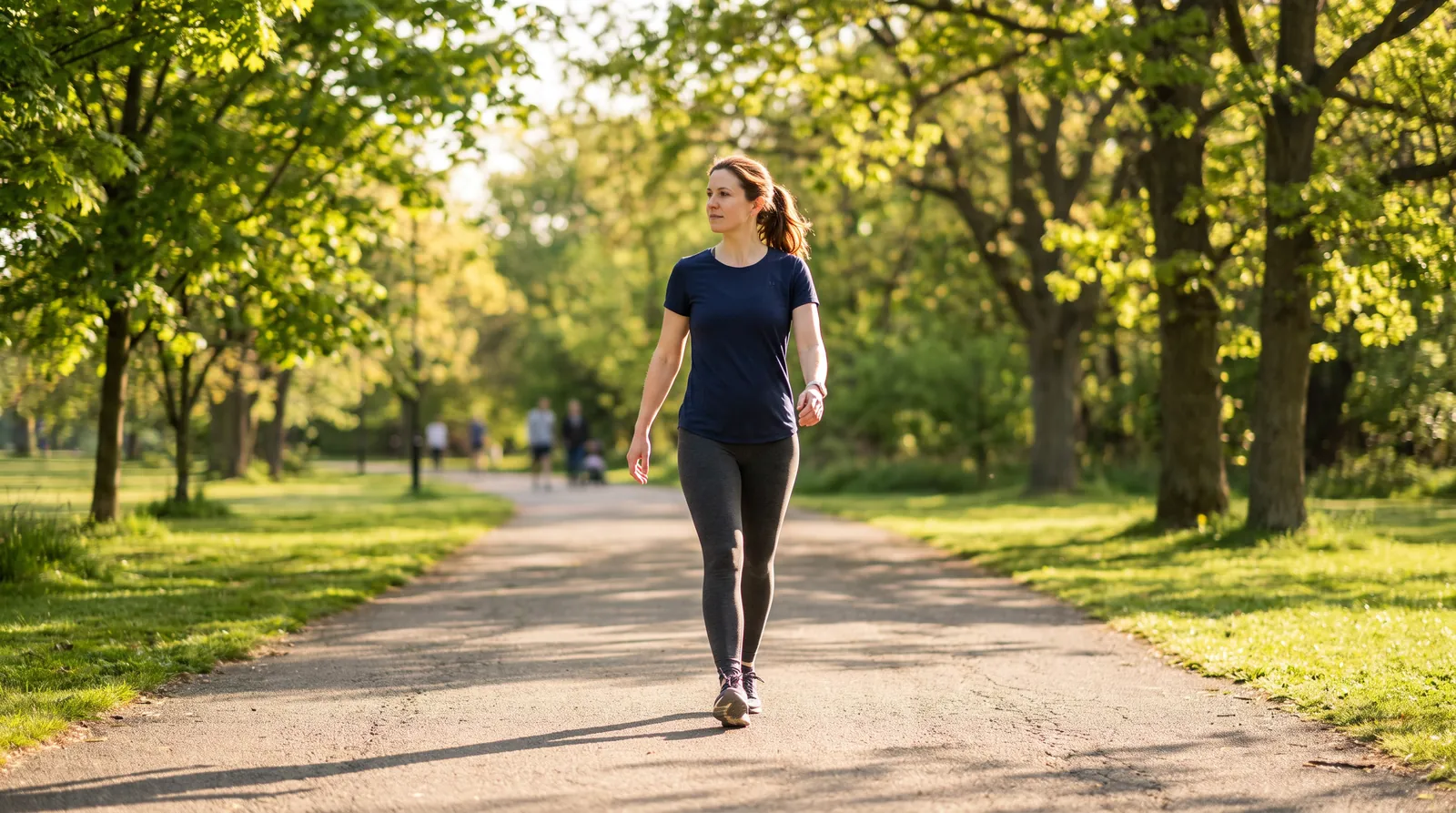
- Exercise regularly: at least 150 minutes a week of activity such as brisk walking, cycling, dancing or swimming, plus strength exercises twice a week.
- Lose weight if you're overweight. Even a small amount of weight loss can improve periods and other symptoms for many women.
- Sleep 7 or more hours, and manage stress.
- Look after your mood. PCOS can affect self-esteem and mood; talking to someone, or talking therapy, can help.
Common myths
- "Only overweight women get PCOS." Women of any weight can have PCOS.
- "PCOS means you can't get pregnant." Many women with PCOS get pregnant, sometimes with medical help.
- "There's a special PCOS diet that cures it." No diet cures PCOS, but healthy eating and activity help symptoms.
Try this today
Add a 20–30 minute brisk walk to your day, and swap one sugary snack for fruit, nuts or curd.
When to see a doctor
See a doctor if you have irregular or missed periods, excess hair growth, acne that doesn't improve, difficulty getting pregnant, or if symptoms affect your daily life or mood. Because PCOS raises the risk of diabetes and blood pressure, ask your doctor about regular checks.
Common questions
What is the best diet for PCOS?
A balanced diet with vegetables, protein, whole grains and little sugar or refined food. There's no single "PCOS diet".
Can PCOS be cured?
There's no cure, but symptoms can be managed with lifestyle changes and treatment.
Does exercise help PCOS?
Yes. Regular exercise helps weight, mood and blood sugar control.
Sources
- Polycystic ovary syndrome (PMOS) — NHSstrong
- Physical activity — WHOstrong
- Healthy diet — WHOstrong
Part of these Essentials
Related guides
In the same area of life
Cardiovascular health
Cardiovascular endurance
Resting heart rate
Heart rate variability (HRV)
High blood pressure: everyday habits that help bring it down
Circulatory health
Respiratory health
Respiratory rate
Build a calm, personal practice
Explore more of the framework, or open your personal Wellbeing space to focus on what matters most right now.